Trees are a vital part of any landscape. They provide shade, beauty, and increase property value. However, like any living thing, trees require regular care to stay healthy and safe. One of the most effective and often overlooked maintenance practices is tree pruning.
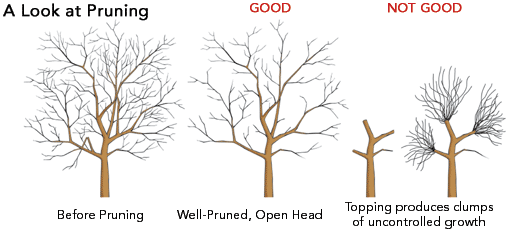
🌿 What is Tree Pruning?
Tree pruning is the selective removal of certain parts of a tree, such as branches, buds, or roots. The purpose is not just to shape the tree aesthetically, but to improve its overall structure and health.
✅ Benefits of Regular Tree Pruning
Pruning offers a variety of benefits when done correctly and by professionals. Here are some of the key advantages:
1. Enhances Tree Health
- Removes dead, diseased, or insect-infested branches.
- Prevents decay organisms from entering the tree.
- Encourages new, healthy growth.
2. Improves Safety
- Reduces the risk of falling branches during storms or high winds.
- Clears sightlines for drivers and pedestrians.
- Minimizes hazards around power lines and buildings.
3. Boosts Aesthetic Value
- Shapes trees for a cleaner, more balanced appearance.
- Enhances curb appeal and overall landscaping.
- Maintains a desired tree size and structure.
4. Encourages Fruit and Flower Production
- Pruning stimulates flower and fruit growth in fruit-bearing and ornamental trees.
- Removes overcrowded limbs that compete for sunlight and nutrients.
5. Increases Sunlight and Air Circulation
- Reduces shade on lawns, gardens, or your home.
- Improves airflow through the tree canopy, which helps prevent disease.
🪓 When is the Best Time to Prune Trees?
Timing is important. While some light pruning can be done year-round, most trees benefit most from pruning in late winter or early spring—before new growth begins. Avoid heavy pruning in the fall, as it can make the tree more vulnerable to disease and winter damage.
⚠️ Signs Your Tree Needs Pruning
- Branches rubbing against each other
- Dead, broken, or hanging limbs
- Dense or overcrowded canopy
- Unusual growth or leaning
- Signs of disease or pest infestation
🌲 DIY vs. Hiring a Certified Arborist
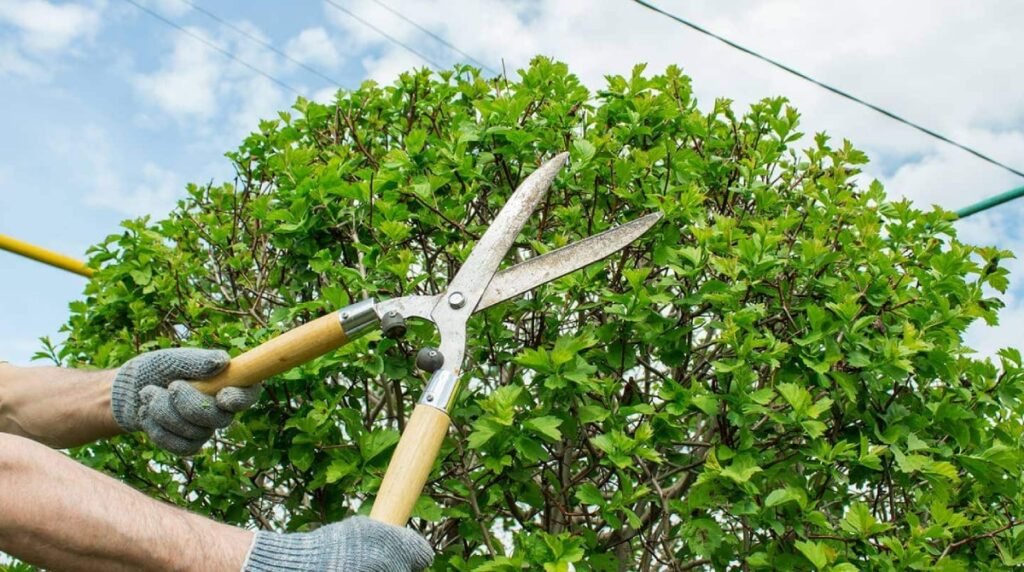
While small pruning jobs might seem manageable, it’s always best to consult a professional, especially for large or mature trees. Certified Arborists are trained to:
- Identify problem areas
- Use proper pruning techniques
- Work safely with the right equipment
Improper pruning can do more harm than good and may even shorten the life of a tree.
✅ Final Thoughts
Pruning is not just a cosmetic fix—it’s an investment in the long-term health and safety of your trees. Whether you’re looking to improve your yard’s appearance or reduce risks on your property, regular pruning by a certified arborist ensures your trees remain strong, healthy, and beautiful for years to come.