While trees add beauty, shade, and value to a property, there comes a time when removing a tree becomes necessary—for safety, health, or aesthetic reasons. But how do you know when it’s time to say goodbye to a tree?
Here are the top warning signs that indicate a tree on your property may need to be removed.
⚠️ 1. The Tree is Dead or Dying
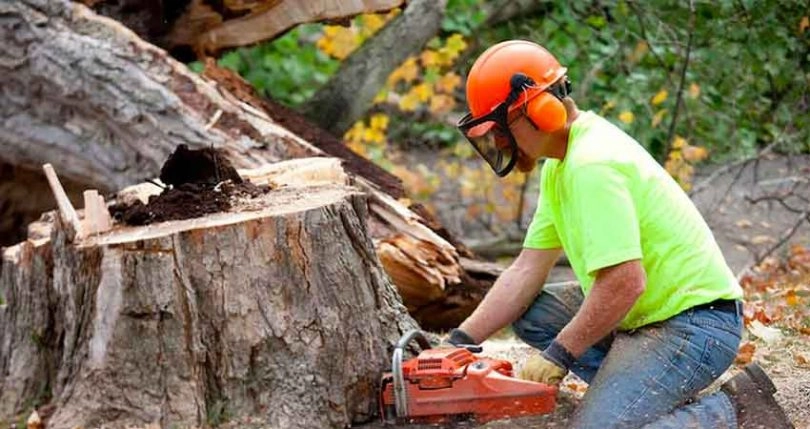
One of the most obvious signs is a tree that’s clearly no longer alive. If a tree has lost all its leaves outside of seasonal shedding or shows brittle, dead branches throughout, it’s likely at the end of its life.
Why it matters:
Dead trees are weak and unpredictable. They pose a serious risk of falling during storms, high winds, or even without warning.
🧱 2. The Tree is Leaning Severely
A sudden lean or a long-standing tilt can signal a structural issue, especially if the tree is leaning toward your house, garage, or a public sidewalk.
Red flag:
Cracked soil or exposed roots around the base usually means the tree is unstable and at risk of falling.
🐜 3. Signs of Disease or Infestation
Fungi, mushrooms at the base, peeling bark, or holes in the trunk can point to internal decay. Infestations from pests like the emerald ash borer also damage the tree from the inside out.
Quick check:
If you notice oozing sap, discoloration, or multiple dying branches, it’s time for a professional assessment.
🌳 4. Structural Damage from Storms
Severe weather—especially high winds and heavy snow—can break large branches or split trunks. A tree that’s been structurally compromised may not recover.
What to do:
Call a certified arborist to evaluate whether the tree can be saved or should be safely removed.
🏠 5. It’s Too Close to Structures or Utility Lines
A tree planted too close to your home, driveway, or overhead power lines can lead to costly property damage, root intrusion in plumbing, or fire hazards.
Solution:
In many cases, strategic pruning may help. But in extreme cases, complete removal is the safer choice.
🌱 6. You’re Planning Construction or Landscaping Changes
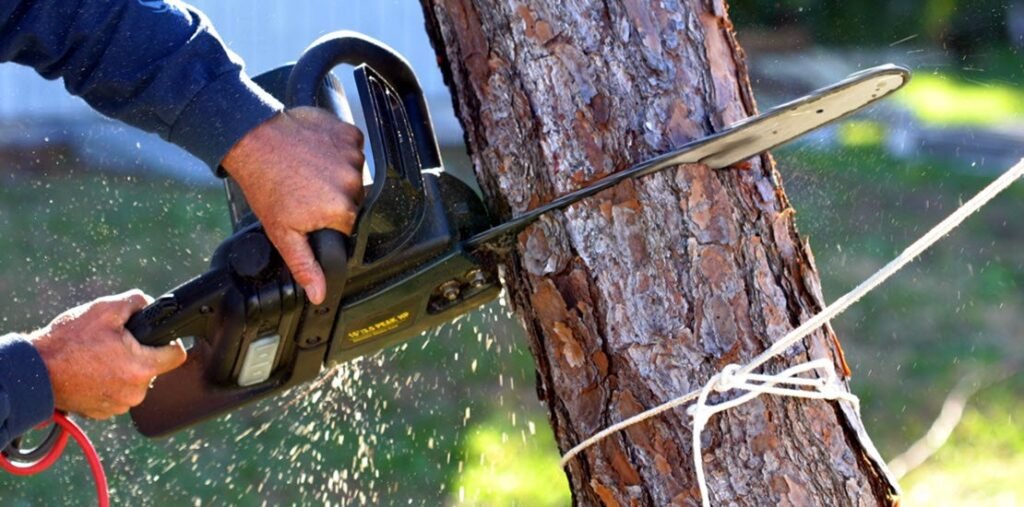
Sometimes tree removal isn’t about damage—it’s about making space. If you’re building a new driveway, deck, or addition to your home, a tree in the way may need to be removed.
Pro tip:
Always consult a professional before removing any large tree to avoid underground utility or soil damage.
✅ Final Thoughts
Tree removal is not a decision to be taken lightly, but sometimes it’s the most responsible action. A hazardous or dying tree can be a liability to people, property, and even other healthy trees.
If you notice any of these signs, reach out to a certified arborist for a professional evaluation and safe removal service.